
Cheetah vs Leopard: How to Tell the Difference on Safari
A cheetah and a leopard can look surprisingly similar when you first see them on safari. Both have spotted coats, live across parts of Africa, and rank among the continent’s most admired predators. Yet once you know what to look for, the differences become clear.
Cheetahs are built for speed. Leopards are built for strength, stealth, and survival in almost any habitat. Their body shapes, hunting styles, markings, behavior, preferred landscapes, and even the way they rest are quite different.
For travelers planning a safari in Tanzania, Kenya, Uganda, Rwanda, Botswana, Namibia, South Africa, or elsewhere in Africa, learning the difference between a cheetah and a leopard makes wildlife sightings more rewarding. You begin to notice how each animal moves, where it prefers to spend time, and why one might be standing on a termite mound while the other is lying across a tree branch.
Here is how to tell a cheetah from a leopard and what makes each of these cats special.
The Quickest Difference
The easiest way to separate a cheetah from a leopard is to look at the face and body.
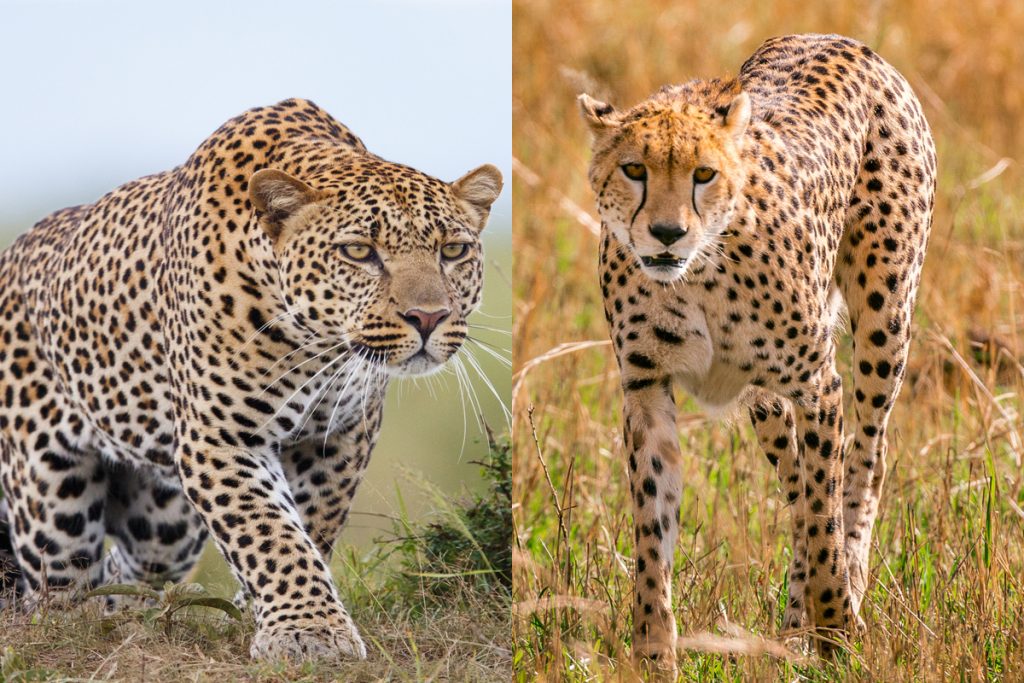
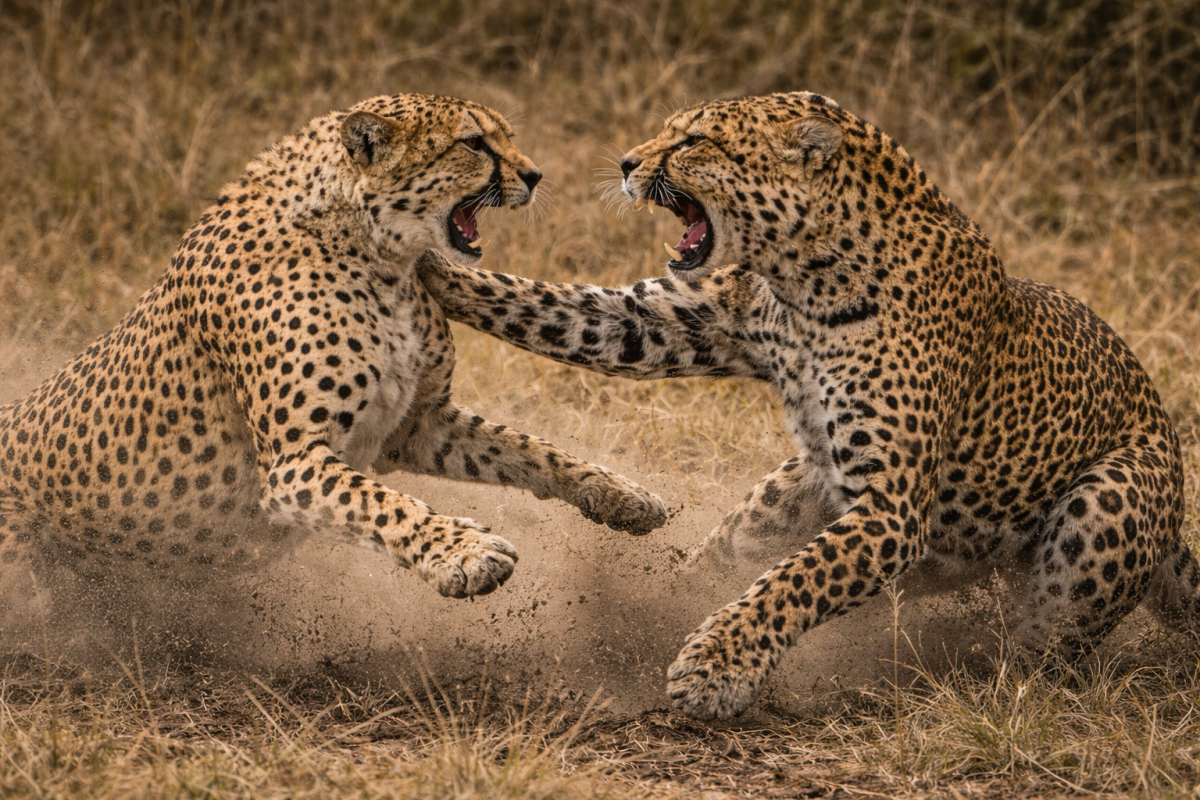
A cheetah has a slim body, long legs, a small rounded head, and distinctive black lines running from the inner corners of its eyes down towards the mouth. These markings are commonly called tear marks.
A leopard has a heavier, more muscular build. Its head looks broader, its legs appear shorter and stronger, and it does not have the same dark facial tear lines.
The spots also differ.
Cheetahs have solid black spots scattered across their coat. Leopards have rosettes, which look like irregular rings or flower-shaped markings with lighter fur in the middle.
Once you notice these differences, identifying them becomes much easier.
Cheetah Appearance
A cheetah looks like an athlete built for acceleration.
Its body is narrow and lightweight, with long legs, a deep chest, and a flexible spine. Its relatively small head reduces weight, while its long tail helps maintain balance during high-speed turns.
The coat usually appears golden or pale yellow with small, solid black spots. The famous black tear marks on the face help distinguish a cheetah almost immediately.
Adult cheetahs generally look thinner than leopards, even when healthy. Their entire body design prioritizes speed rather than physical strength.
You may also notice that cheetahs often stand tall above the grass, especially when scanning open plains for prey or potential danger.
Leopard Appearance
A leopard looks compact, muscular, and powerful.
Its shoulders are broad, its neck is strong, and its legs are relatively short compared with those of a cheetah. This build helps a leopard climb trees and drag heavy prey away from competitors.
The coat carries dark rosette-shaped markings rather than simple round spots. These markings provide excellent camouflage among woodland, rocks, shadows, and vegetation.
A leopard’s face also looks broader than a cheetah’s. The eyes sit within a more heavily built skull, and you will not see the distinctive tear lines associated with cheetahs.
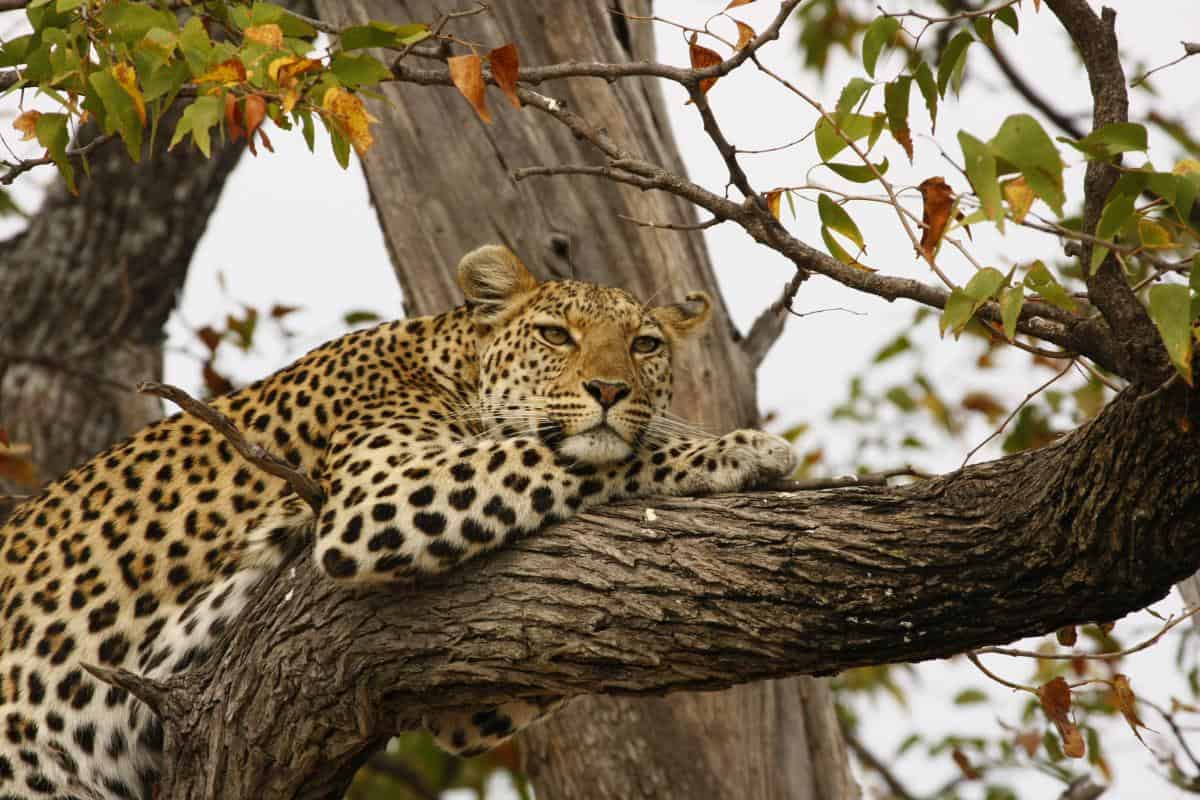
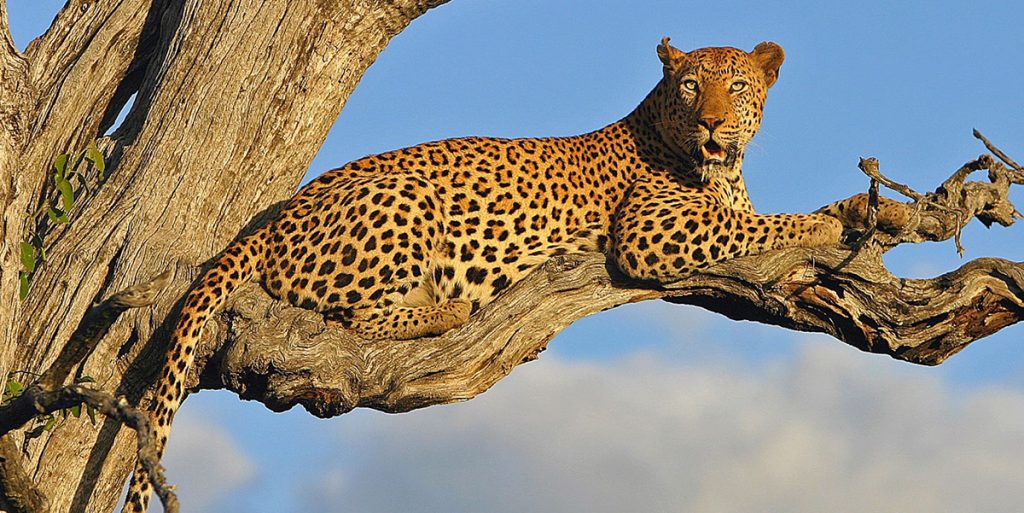
If you see a large spotted cat resting confidently on a tree branch, you are almost certainly looking at a leopard.
Which Is Faster: Cheetah or Leopard?
The cheetah wins this comparison easily.
Cheetahs rank as the fastest land animals and can reach speeds of roughly 90 to 100 kilometers per hour during short bursts. Some estimates place exceptional individuals slightly higher, but these speeds only last for a short distance.
A cheetah uses explosive acceleration rather than long-distance endurance.
During a hunt, it may move quietly towards its prey before suddenly sprinting after a gazelle or similar animal. Its flexible spine allows the body to stretch dramatically with each stride, while the tail works almost like a steering device during sharp turns.
Leopards are also fast, but speed is not their main hunting advantage. A leopard may reach around 55 to 60 kilometers per hour over short distances.
Instead of chasing prey across open ground, a leopard usually depends on stealth and surprise.

Which Is Stronger?
The leopard is considerably stronger.
A leopard has a muscular body designed for climbing, gripping, and carrying prey. One of its most impressive behXaviours involves dragging an animal into a tree after making a kill.
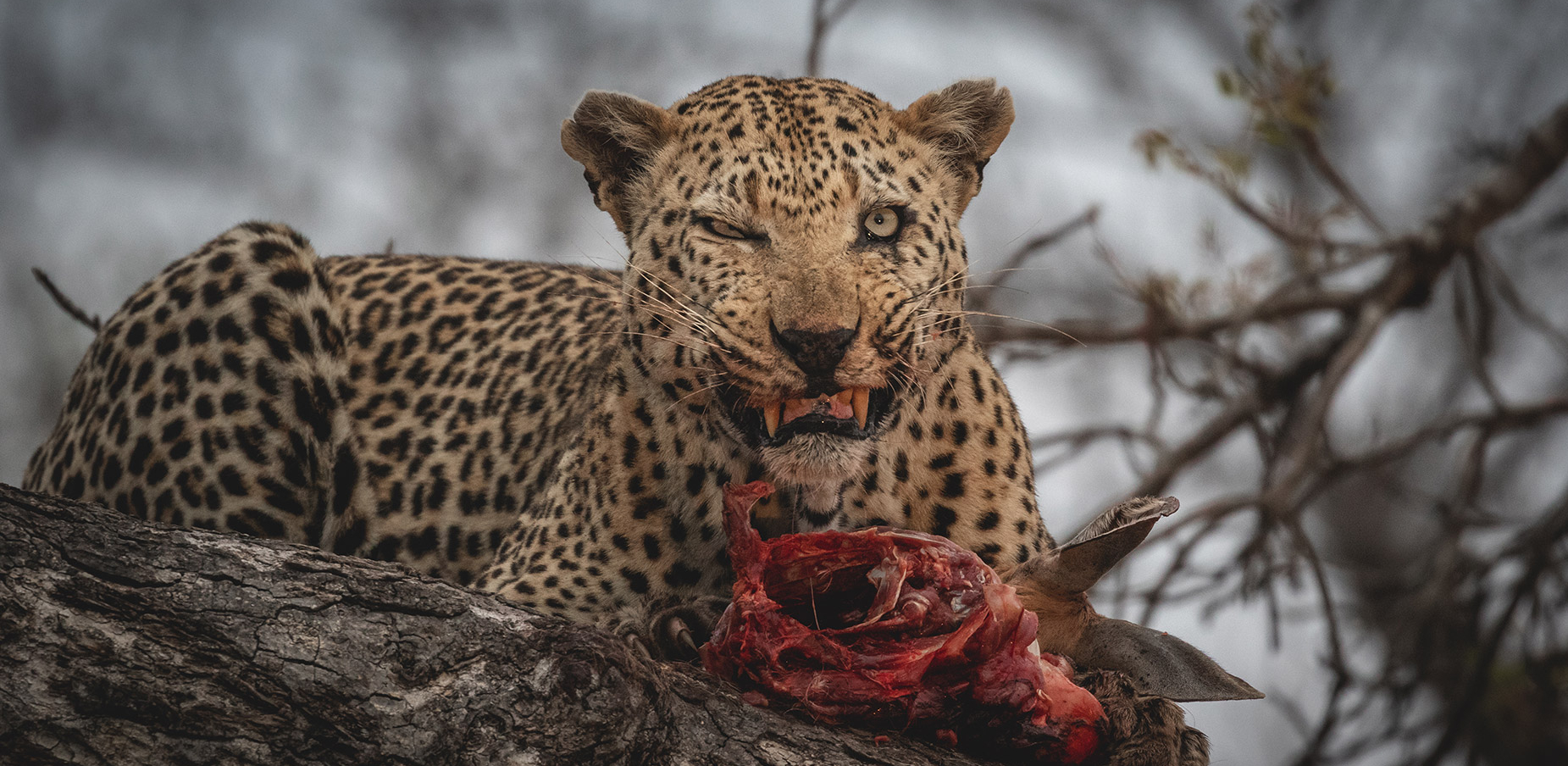
This protects the carcass from scavengers such as hyenas and sometimes from lions.
A leopard may haul prey weighing close to or even more than its own body weight into a tree.
Cheetahs do not have the same physical strength. Their lightweight bodies help them run quickly, but this comes with a disadvantage. They often lose kills to larger predators and scavengers.
Lions, hyenas, and even leopards may take food from cheetahs if they arrive before the cheetah finishes eating.
Cheetah Hunting Style
Cheetahs rely on sight, speed, and open space.
They usually hunt during daylight, especially early in the morning or later in the afternoon. Hunting during these periods sometimes helps them avoid stronger nocturnal predators.
A cheetah often begins by watching a herd from a distance. It may then move closer using grass or small rises for cover.
Once the cheetah gets close enough, the chase begins.
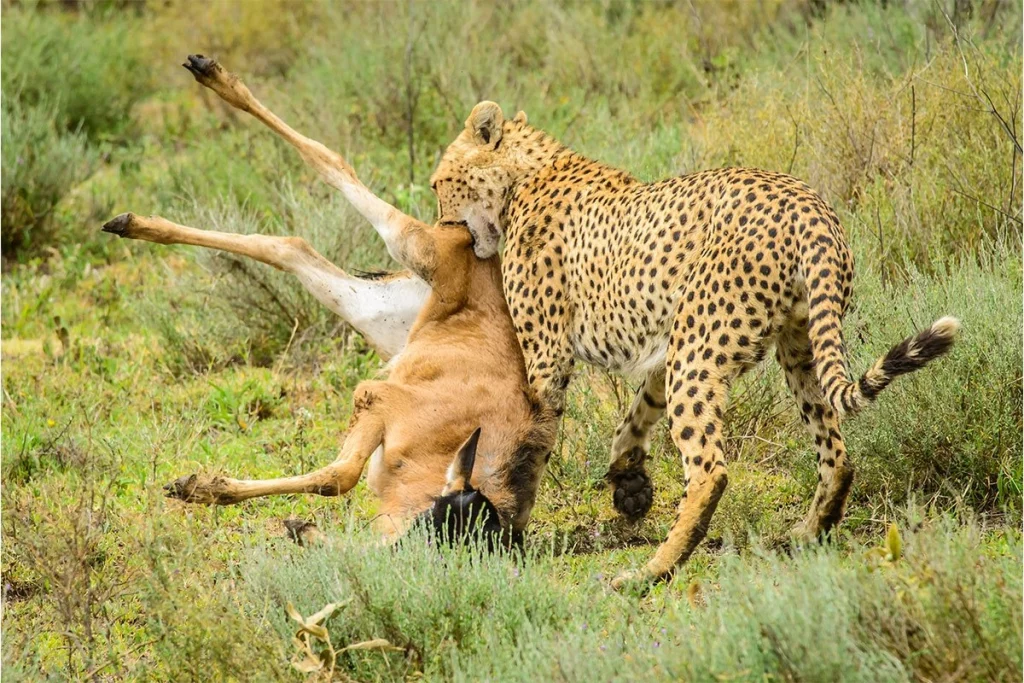
The cat accelerates rapidly, selects one animal, and attempts to trip or knock it off balance with its front legs. After the prey falls, the cheetah usually suffocates it with a bite around the throat.
The chase often lasts less than a minute because high-speed running requires enormous energy.
After a successful hunt, a cheetah normally needs time to recover before eating.
Leopard Hunting Style
Leopards take a different approach.
They are ambush hunters.
A leopard relies on camouflage to move close to its prey without being noticed. It may crawl quietly through vegetation or wait near a trail before launching a short, sudden attack.
Because leopards are physically stronger than cheetahs, they can tackle a wider range of prey.
Their diet may include antelope, monkeys, warthogs, rodents, birds, reptiles, and other animals depending on the region.
Leopards often hunt after sunset or during the night, although daytime sightings and hunts do occur.
Their secretive behaviour makes them harder to find than cheetahs in many safari areas.
Cheetah Habitat
Cheetahs generally prefer open habitats where speed gives them an advantage.
You are more likely to find them in grasslands, open savannah, semi-arid plains, and areas with enough visibility to detect prey and competitors.
The Serengeti plains in Tanzania provide classic cheetah habitat. So do parts of Kenya’s Maasai Mara, Amboseli ecosystem, and several protected areas in southern Africa.
Open landscapes also make cheetahs easier to see on safari.
You might spot one walking across the plains, resting beneath a small tree, standing on a termite mound, or watching gazelles in the distance.
Leopard Habitat
Leopards tolerate a much wider range of environments.
They live in savannah, woodland, forests, rocky hills, river valleys, mountains, and semi-desert environments.
This adaptability helps explain why leopards have historically occupied such a broad geographical range.
Within safari parks, leopards often favor places with good cover. Riverine woodland is particularly productive because trees provide shade, hiding places, hunting opportunities, and secure branches where they can rest or store food.
Finding a leopard often requires patience.
Your guide may study trees carefully, listen to alarm calls from monkeys or antelopes, look for tracks, or follow reports from other guides.
Can Cheetahs Climb Trees?
Cheetahs can climb low trees, fallen trunks, rocks, and termite mounds, but they are not skilled tree climbers in the same way as leopards.
They often seek elevated positions because height helps them scan the landscape.
Young cheetahs appear more adventurous around trees than large adults, but you should not expect to find cheetahs resting high in branches.
Leopards, on the other hand, are excellent climbers.
Their powerful shoulders, strong legs, claws, and balance allow them to move confidently through trees.
A leopard may climb to rest, escape danger, watch the surrounding area, or protect a kill.
Are Cheetahs and Leopards Social?
Cheetahs have a more complicated social structure than many travelers expect.
Adult females usually live alone unless raising cubs. Males sometimes form small groups known as coalitions, often consisting of brothers from the same litter.
These coalitions hunt and defend territories together.
Leopards are generally solitary.
Adult males and females maintain territories that may overlap, but they spend most of their time alone except during mating or when a female raises cubs.
This solitary nature contributes to the leopard’s reputation as a secretive predator.
Cubs
Both cheetah and leopard cubs face considerable danger during their first months of life.
Cheetah mothers often hide their cubs in thick vegetation and move them regularly. Young cubs have long grayish hair along their backs, giving them a noticeably different appearance from adults.
Cub mortality is high because lions, hyenas, and other predators may kill them.
Leopard mothers also hide their young carefully, often in rocky areas, dense vegetation, hollow trees, or other protected places.
Leopard cubs learn climbing and hunting skills as they grow before eventually establishing their own territories.
Seeing either species with cubs ranks among the most memorable experiences on safari.
Spots
This is one of the most useful identification tricks.
A cheetah has simple black spots.
Look closely and you will see relatively small, solid dots spread over the coat.
A leopard has rosettes.
These markings resemble irregular circles or clusters rather than simple dots. The center often remains lighter than the surrounding black markings.
If the animal is far away, facial features and body shape may provide easier clues. If you have binoculars or a camera with a zoom lens, the coat pattern becomes much easier to identify.
Face
The face often gives you the answer immediately.
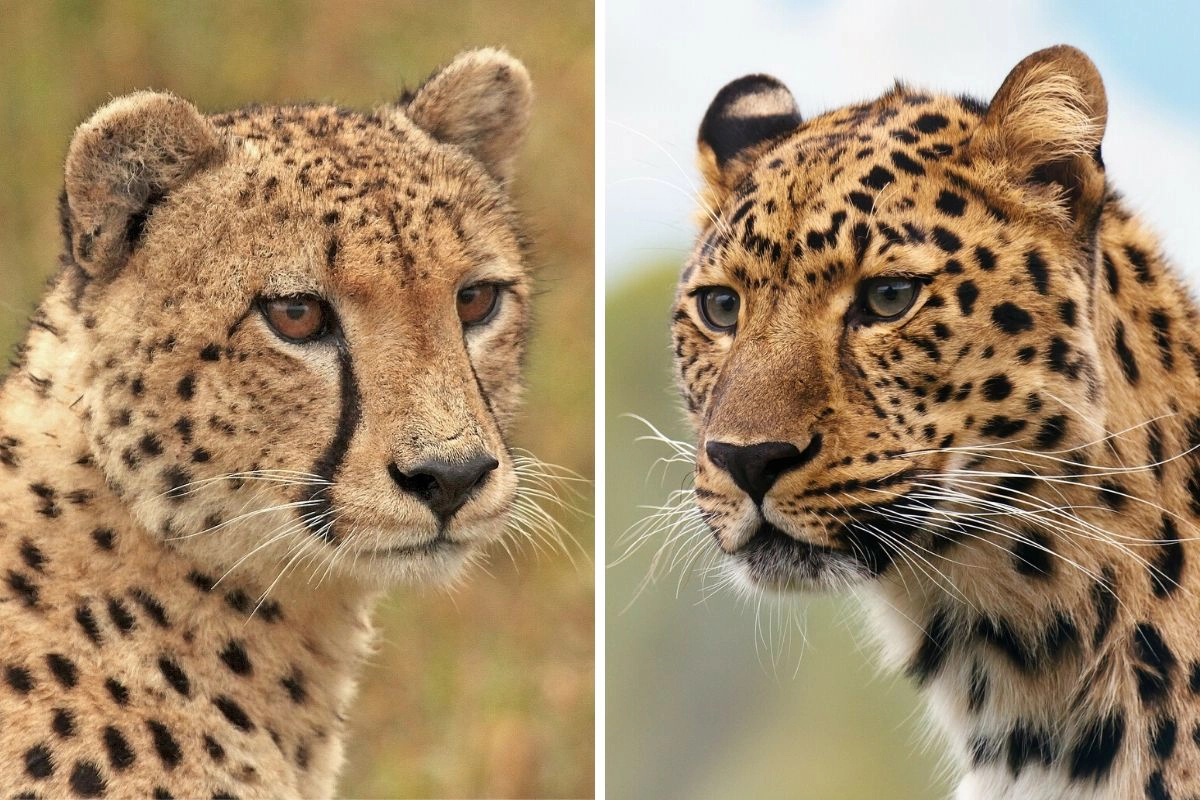
Cheetahs have black tear marks running from the eyes down towards the mouth.
These lines may help reduce glare from sunlight, although researchers continue to study their exact function.
Leopards on the other hand lack these clear tear marks.
Their heads also appear larger and more powerful, with broader jaws and a stronger overall structure.
If your safari vehicle approaches a spotted cat and you immediately notice two dark lines on its face, you are looking at a cheetah.



Engage an expert
Need help planning your Serengeti adventure today?
GET A QUOTE
Get a free Quote today.